Climate Education Pathways (CLIM8)
A Time for Change
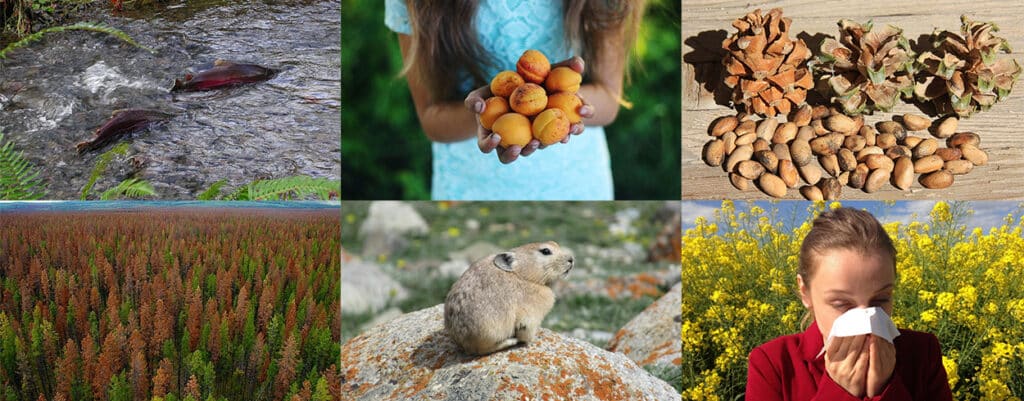
Climate change education presents a unique educational challenge for the 21st century. Climate change impacts communities in varied ways. Phenomena and problems in one community may be quite different than those in another community. Learning about them should be community-specific, too.
The Climate Education Pathways project offers a flexible high school climate change unit that pairs rigorous, globally-focused climate science with space for teachers to localize 20–25 percent of the lessons to community-specific phenomena and solutions. Through storylines, interactive digital tools, and optional print materials, the program helps students connect climate concepts to issues that matter in their own lives while reducing the burden on teachers to design an entire unit from scratch. Ongoing research examines how this approach strengthens teachers’ climate expertise and confidence and supports students’ climate knowledge and Environmental Science Agency, including their sense of capability to act on climate issues.
Impact
The Climate Education Pathways project (2021–2026) created and tested a high school climate change unit that pairs core global climate science with locally relevant phenomena and solutions, customized by teachers to their own communities. The study showed that this localized approach boosts students’ climate knowledge and readiness to act, while also strengthening teachers’ climate expertise and confidence with NGSS-aligned instruction.
This project is funded by the U.S. National Science Foundation, grant #2100808. Any opinions, findings, and conclusions or recommendations expressed in these materials are those of the author(s) and do not necessarily reflect the views of NSF.