
ECHO: Exploring Climate Hope Outdoors
As the impacts of climate change intensify, educators are faced with preparing learners not only to understand the science of climate change, but also how to navigate a range of climate emotions that may arise during instruction.
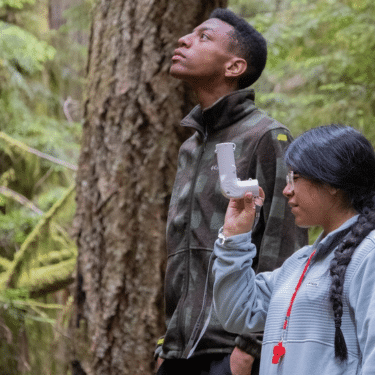
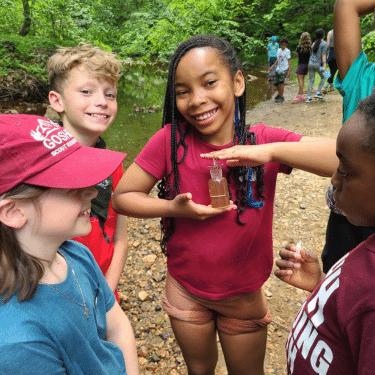
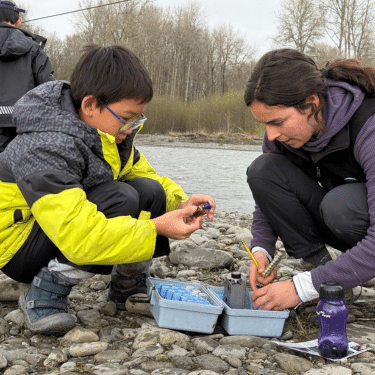
Outdoor learning experiences might support stronger relationships and nature connections to foster positive emotions, such as hope and care, in both learners and educators. Nature-based learning environments and outdoor programs have the potential to support appreciation of nature and environmental care that inspire action to protect communities. Informal STEM education programs that build connections to nature could further promote resilience, optimism and climate hopefulness–having hope for the future environment despite the barrage of social media messaging and negative news about climate change.
The Exploring Climate Hope Outdoors (ECHO) project, in partnership with NatureBridge and the North American Association for Environmental Education (NAAEE), is conducting a scoping review and narrative synthesis to understand the extent and nature of existing literature on climate emotions and their relationship to outdoor environmental education programs including the impacts of outdoor environmental program designs, professional learning, and pedagogical practices on educators and learners.
This project is investigating these key research questions:
- What is the extent and nature of existing literature on climate emotions and their relationship to outdoor environmental education programs?
- What specific program elements and pedagogical strategies have outdoor environmental education programs employed over the past 30 years to address climate emotions of increasingly diverse youth populations, and what evidence suggests their effectiveness?
The corpus of data will be drawn from a literature review of papers and reports on environmental education that takes place outdoors, a database of historical educator program participants from NatureBridge’s 30+ years of outdoor programming, and contemporary transdisciplinary research on ecoanxiety and climate hopefulness. This research synthesis project will also advance our understanding of the opportunities and limitations for using AI-assisted review methods for identifying literature bases, key variables and influences on climate hopefulness as they relate to learning outcomes and professional development. In summary, our research synthesis will identify gaps in current research and surface critical insights and leverage points where changes to practice could improve outdoor educational programs towards climate hopefulness.
This project is in partnership with NatureBridge and North American Association for Environmental Education (NAAEE).
This material is based upon work supported by the National Science Foundation under Grant No. 2517131. Any opinions, findings, and conclusions or recommendations expressed in this material are those of the author(s) and do not necessarily reflect the views of the National Science Foundation.